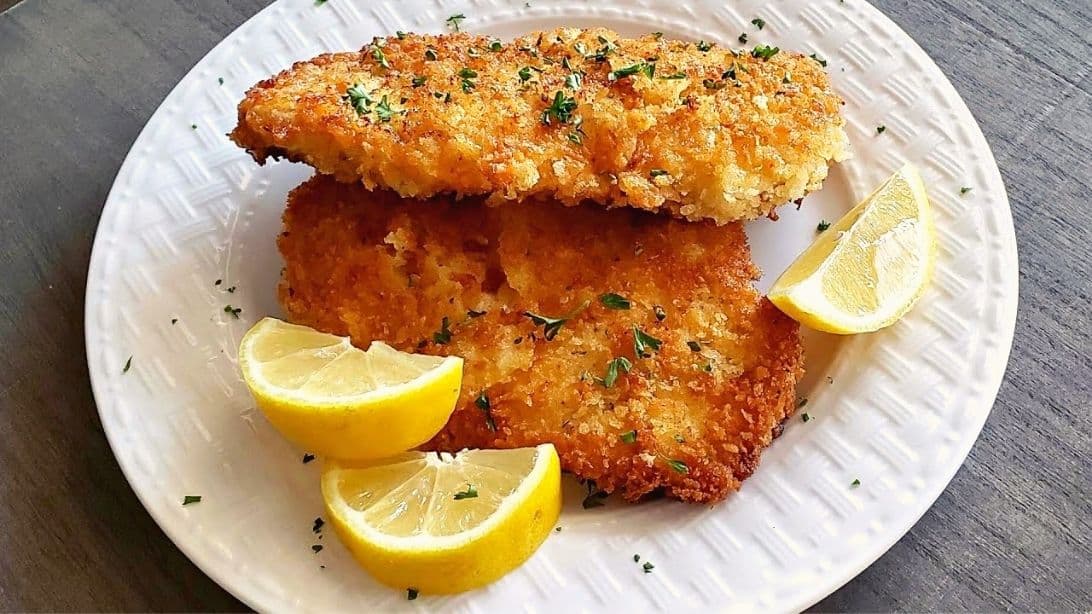
Perfectly Crispy Fried Chicken Cutlets: Essential Frying Tips for Home Cooks
There's something undeniably comforting and universally appealing about a perfectly cooked piece of fried chicken. While bone-in fried chicken holds a special place in culinary history, the humble fried chicken cutlet offers a faster, equally delicious, and incredibly versatile alternative that every home cook should master. Imagine a golden-brown exterior, a tender juicy interior, and that satisfying crunch with every bite – all achievable in minutes, not hours. This comprehensive guide will equip you with all the essential tips and tricks to transform simple chicken cutlets into a crispy, flavorful masterpiece that will have everyone asking for seconds.
Whether you're looking for a quick weeknight dinner, a crowd-pleasing party appetizer, or the star of a gourmet sandwich, understanding the nuances of frying these thin chicken pieces is key. Forget the greasy, soggy disappointments of the past; with our expert advice, you're on your way to achieving consistently impeccable results.
The Allure of the Fried Chicken Cutlet: Why Thin Is In
Before diving into the frying pan, let's understand why chicken cutlets are an ideal choice for a quick, crispy fried dish. A chicken cutlet is essentially a boneless, skinless chicken breast that has been sliced horizontally or pounded thin to an even thickness, usually around 1/4 to 1/2 inch. You can often buy them pre-sliced at your grocery store, saving you valuable prep time.
Their inherent thinness offers several significant advantages:
- Unmatched Speed: This is arguably the biggest selling point. Thin cutlets cook through in mere minutes, making them perfect for busy weeknights when you need dinner on the table fast. If you're pressed for time, check out our guide on Minute Crispy Fried Chicken Cutlets: Quick & Easy Dinner for more speedy tips.
- Optimal Crispness: The increased surface-area-to-volume ratio means more crispy coating per bite. Their quick cooking time also reduces the risk of the breading burning before the chicken is cooked through, ensuring a consistently golden, crunchy exterior.
- Reduced Oil Usage: Unlike larger, bone-in pieces that require deep frying, chicken cutlets can be pan-fried with significantly less oil. This means less mess, less expense, and a lighter meal overall.
- Even Cooking: The uniform thickness ensures that the entire cutlet cooks evenly, preventing dry spots or undercooked centers.
- Incredible Versatility: Once fried, these cutlets are a blank canvas. They can be served as a main dish, sliced for salads, layered in sandwiches, or tossed with pasta.
Crafting the Perfect Breading: Beyond Basic Flour
The journey to a crispy fried chicken cutlet begins long before it hits the hot oil. The breading is your first line of defense and flavor, so don't skimp on this crucial step. The standard breading procedure involves a wet dredge followed by a dry dredge, creating layers of flavor and texture.
- The Buttermilk Soak: A brief soak in buttermilk is transformative. The lactic acid in buttermilk helps to tenderize the chicken ever so slightly, and its thicker consistency creates a perfect tacky surface for the flour to adhere to. No buttermilk? No problem! You can make your own by adding a tablespoon of lemon juice or white vinegar to regular milk and letting it sit for 5-10 minutes until it slightly curdles.
- The Seasoned Flour: This is where the flavor truly comes alive. Don't just use plain flour. Create a robust seasoning blend with salt, black pepper, paprika, garlic powder, onion powder, and a pinch of cayenne for a subtle kick. Ensure your flour is generously seasoned – remember, a lot of it will fall off during frying. For extra crunch, consider a double dredge: buttermilk, flour, back into buttermilk, then back into flour, pressing firmly each time.
- Firm Adhesion: After dredging in the seasoned flour, it’s vital to press the flour firmly onto both sides of the cutlet. This helps create a thicker, more adherent crust. For best results, let the breaded cutlets rest on a wire rack for 10-15 minutes before frying. This allows the moisture from the chicken to hydrate the flour, creating a more cohesive coating that is less likely to fall off in the oil.
Essential Frying Techniques for Unbeatable Crispness
Now, for the heart of the matter: the frying itself. Mastering these techniques will elevate your fried chicken cutlets from good to extraordinary.
Choosing the Right Oil
The type of oil you use significantly impacts the flavor and texture of your fried chicken. Opt for oils with a high smoke point and a neutral flavor profile.
- Recommended Oils: Peanut oil, canola oil, and vegetable oil are excellent choices. They can withstand high temperatures without smoking or breaking down, which prevents imparting burnt flavors to your chicken. Peanut oil is particularly favored for its clean taste and high smoke point.
- Oils to Avoid (or Use with Caution): While olive oil has a relatively high smoke point, extra virgin olive oil (EVOO) is not recommended for frying due to its lower smoke point and strong flavor that can overpower the chicken.
- Oil Reuse: To maximize efficiency, you can often strain and reuse frying oil. After frying, let the oil cool completely, then strain it through a fine-mesh sieve or cheesecloth to remove any food particles. Store it in an airtight container in the refrigerator and reuse it up to 3 times, provided it hasn't been smoked excessively or used to fry fish (which can transfer strong flavors).
Mastering Oil Temperature: The Golden Rule
Temperature control is perhaps the single most critical factor for crispy, non-greasy fried chicken. Too low, and your chicken will soak up oil and be soggy; too high, and the outside will burn before the inside cooks.
- Target Temperature: Aim for a consistent oil temperature between 350°F and 375°F. This range ensures the chicken cooks quickly and develops that beautiful golden-brown crust.
- The Thermometer Advantage: While the "water sizzle test" (adding a drop of water to hot oil and watching it sizzle) works, a reliable kitchen thermometer is your best friend here. It provides precise readings, taking the guesswork out of frying.
- Maintaining Temperature: This is crucial. Avoid overcrowding the pan with too many cutlets at once. Doing so drastically drops the oil temperature, leading to greasy chicken that steams rather than fries. Work in batches, leaving ample space between each piece, and allow the oil to return to temperature between batches. Adjust your stove's heat as needed to maintain that ideal range.
The Frying Process
Once your oil is hot, carefully lay the breaded chicken cutlets into the pan, placing them away from you to prevent splashing. Fry for about 3-4 minutes per side, or until they are deeply golden brown and cooked through. The internal temperature should reach 165°F. Resist the urge to constantly flip or poke the chicken; let it develop that crust.
When done, remove the cutlets from the pan and place them on a wire rack set over a baking sheet. This allows air to circulate around them, preventing the bottom from becoming soggy, and preserving that coveted crispness. Avoid placing them directly on paper towels, as this can trap steam and soften the crust.
Pairing Your Perfect Fried Chicken Cutlets
The beauty of a perfectly fried chicken cutlet lies in its adaptability. It pairs wonderfully with a myriad of sides, making it a truly versatile dish.
- Classic Comfort: For an ultimate down-home feast, serve your crispy cutlets with creamy mashed potatoes and tender green beans, perhaps even drizzled with country gravy. Our guide on Down-Home Comfort: Easy Fried Chicken Cutlets & Country Gravy provides excellent ideas.
- Modern Twists: Slice them over a fresh Caesar salad, layer them into a chicken parmesan hero, or use them as the protein in a gourmet sandwich with your favorite toppings. They're also fantastic alongside pasta with a light lemon-butter sauce.
- Dipping Delights: Don't forget the dipping sauces! Honey mustard, ranch, spicy aioli, or even a simple marinara sauce can elevate the experience.
Conclusion
Mastering the art of cooking a perfectly crispy fried chicken cutlet is a culinary skill that will serve you well for years to come. By understanding the advantages of using thin cutlets, perfecting your breading technique, and paying close attention to oil temperature and frying methods, you can achieve consistently outstanding results. This quick-cooking, incredibly versatile dish is more than just a meal; it's a testament to how simple ingredients, combined with careful technique, can create extraordinary comfort food. So go ahead, grab those cutlets, heat up that oil, and prepare to delight your taste buds with the crunchiest, most flavorful fried chicken you've ever made at home!
